Ideas & Research
Questions I am working on
These questions come from more than a decade of building a program and watching hundreds of families use it, and from graduate study at Boston University. None of what follows is a finding. When there are findings, they will be posted here with their methods.
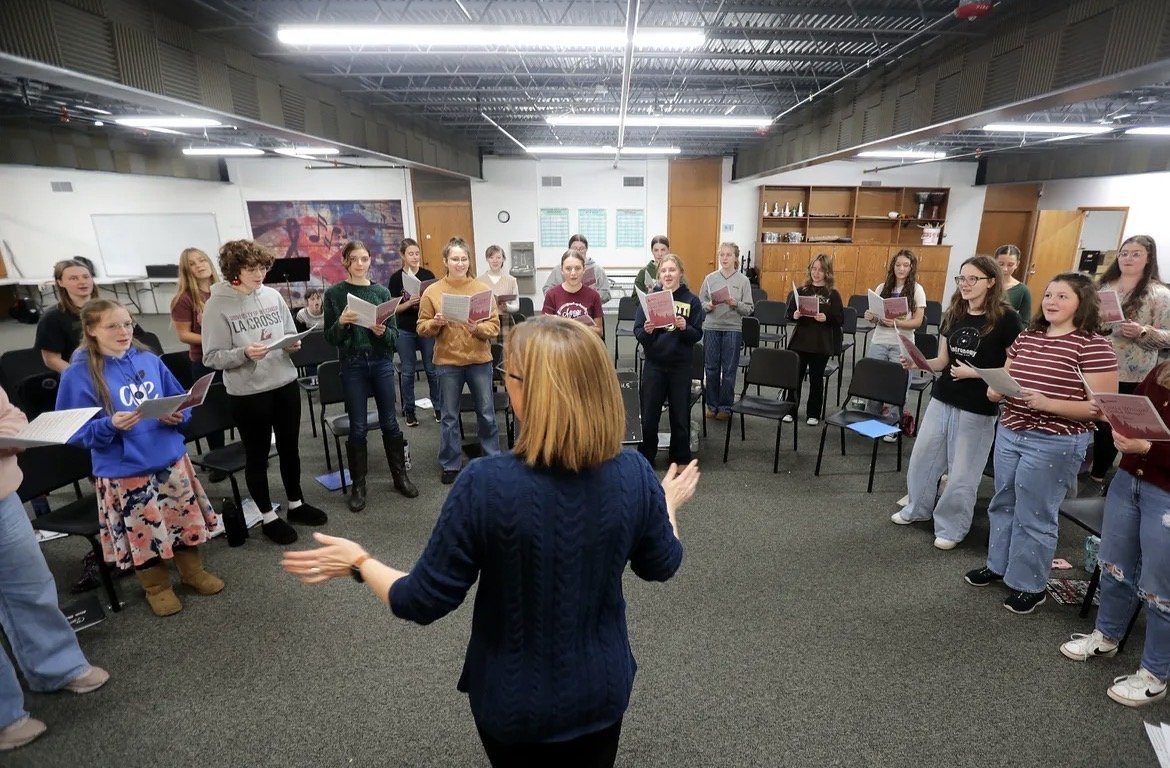
A first project
2026–27 Valley Troubadours Family Survey · In planning
What do homeschool families seek from organized music education, and what do they perceive their children gain from participating in it?
An emerging idea for a first systematic look at the Valley Troubadours population. Areas it may explore:
Open questions
What creates belonging in an ensemble?
Our students often arrive already connected through co-ops, church, and years of shared activities. The ensemble gives that community a shared purpose. I want to understand what makes a student feel they belong to a group that may meet only once a week, and how mentorship between older and younger players grows.
What can alternative music programs teach conventional music education?
Homeschool bands in rented church halls, co-op choirs in homes, parent-run theater troupes: most operate below the notice of the profession. Their constraints are different, and so are some of their solutions.
Can rigorous ensemble instruction succeed with once-weekly classes?
Most of our ensembles rehearse once a week. That shapes everything from repertoire to home practice. What level of rigor is realistic, and what does it take to reach it?
How can music educators reach students outside conventional schools?
Homeschooled and virtual-school students are a large population our field has not always known how to reach. What would partnership between school music educators and these families look like in practice?
What makes a community music program sustainable?
Growth forced decisions about staffing, pay, space, and quality. Which structures let a program grow without losing what made it worth joining?
How do ensembles serve neurodiverse learners?
I have watched again and again how an ensemble can meet a young person exactly where they are. I know this as a teacher and as a parent. Which practices include neurodiverse students without lowering expectations for anyone?
What happens when educators become institution-builders?
Teacher training prepares us to run a classroom, not to identify an unmet need and build an organization around it. What do educators need to know when the job becomes building something that lasts?
Over time I hope practitioner observation like this can be supported by systematically collected evidence and graduate-level scholarship. This page will record that work as it develops.
If you are researching homeschool, community, or alternative music education and would like to compare notes or collaborate, I would like to hear from you.